



Dr. Daniel Fornari, Expedition PI
Woods Hole Oceanographic Institution, USA
Dr. Fornari is a leading researcher in the study of volcanic and hydrothermal processes at the mid-ocean ridges, and in the study of the structure and magmatic processes occurring in oceanic transforms and at oceanic islands, such as Hawaii and the Galápagos.
In more than 50 years of seagoing experience, Fornari has participated in over 100 research cruises, and has completed over 100 dives in Alvin and other Navy submersibles. He has lead 5 previous oceanographic research expeditions to the Galápagos since 2000, which have resulted in a wealth of bathymetric mapping and seafloor imaging data for the Galápagos Platform and western margin of the Galápagos archipelago.
Dr. Michelle Taylor, Expedition PI
University of Essex, UK
My research interests span the molecular to the ocean-level and have included studies on shallow and deep-water coral reefs, mangroves, and seagrass. My main focus is the deep-sea and its many and varied benthic habitats. Broadly I am interested in deep-sea ecosystems, exploring them, what drives their biodiversity, and how we can limit human impacts in vulnerable habitats such as coral reefs, hydrothermal vents, and seamounts etc.
So far my work has centered on deep-sea corals; which was a natural progression from my years spent studying shallow water coral reefs. The deep-sea is the largest habitat on the planet and arguably the least well known.

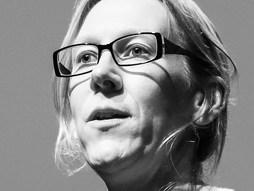
Prof. Laura Robinson, Onshore PI
University of Bristol, UK
My research interests are to understand the processes that govern climate on time scales ranging from the modern day back through hundreds of thousands of years using geochemistry.
Dr. V. Dorsey Wanless, Onshore PI
Boise State University, USA
My research interests lie in understanding how magmas evolve from generation in the mantle, to storage within the crust, and finally, eruption at the Earth’s surface. I use a wide range of geochemical tracers including: major and trace element compositions, radiogenic, helium, and oxygen isotopes ratios, and volatile concentrations, in combination with petrologic modeling to understand how fractional crystallization, assimilation of crustal rocks, melt-rock reaction, and partial melting can affect the composition of lavas erupted at the surface.
My research has primarily focused on the evolution of magmas in submarine settings including mid-ocean ridges and ocean islands.
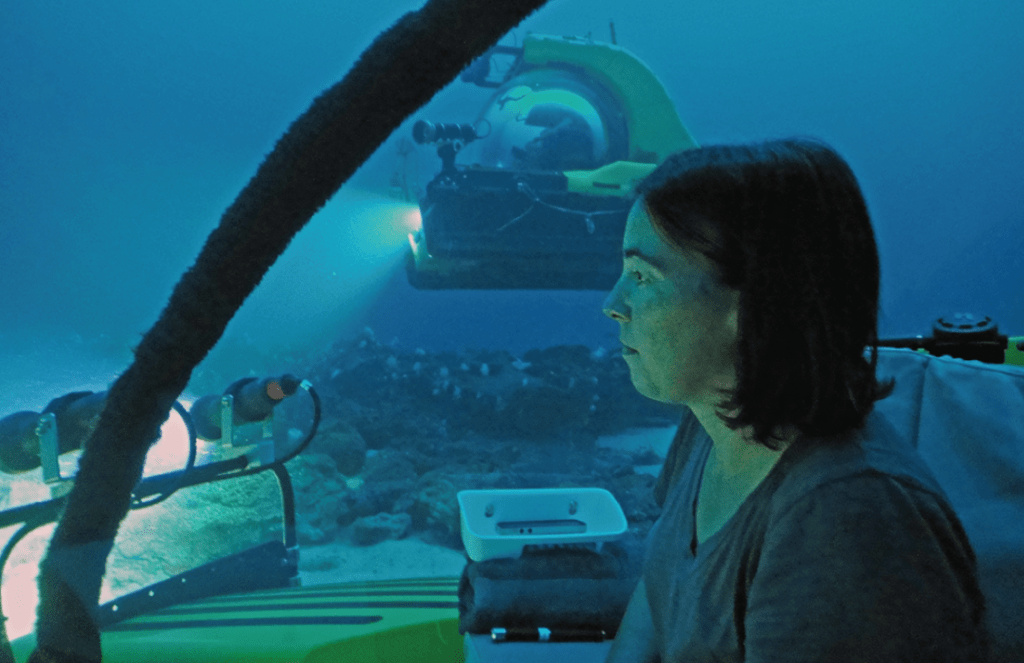
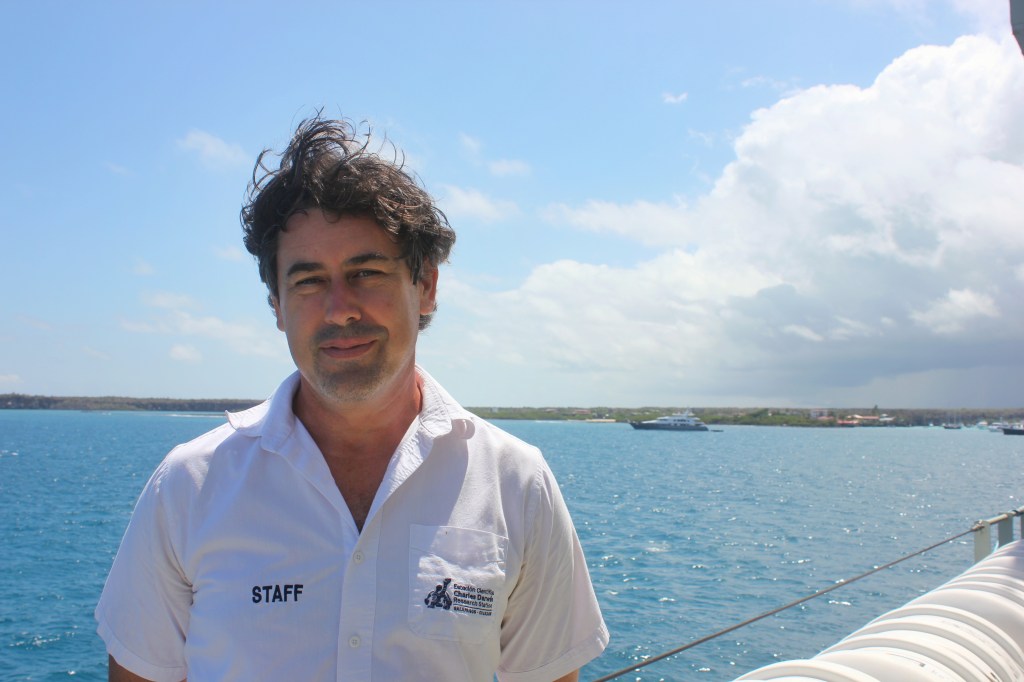
Stuart Banks, Onboard observer
Charles Darwin Foundation, Ecuador
An oceanographer helping to characterize the biodiversity base-line for the Galápagos Marine Reserve, back in 2000 Stuart spent early years setting up and running a satellite receiving station for the NASA Ocean Color Program across the Eastern Tropical Pacific based at the Charles Darwin Research Station (CDRS), Galápagos.
Banks served as Station Director for a year during a strong restructuring period before returning to marine science in the middle of 2012 to further research lines tied to GMR evaluation, climate solutions, emerging threats such as marine invasive species and practical inputs for management reforms.
Jenifer Suarez, Onboard observer
Galápagos National Park Directorate, Ecuador
I was born and raised in Galápagos, I am a biologist and I have been working for more than 12 years in the marine scope of the islands. I started at the Charles Darwin Foundation as a volunteer, intern, field assistant until I became a junior researcher, in all this time I learned a lot about marine vertebrates and invertebrates, subtidal monitoring techniques for sessile and invasive marine species and many other things that helped me to generate and strengthen my knowledge.
Currently, I have worked 9 years in the Galápagos National Park Directorate responsible for the Marine Ecosystem Monitoring Subprocess, where we carry out different monitoring directed to species such as turtles and marine iguanas, sharks in mangrove habitats and many other activities, such as supporting and following up on marine research projects that are developed within the Marine Reserve, which are of great importance for the generation of useful information for the management and conservation of our fragile marine ecosystem.


Divar Castro, Onboard observer
INOCAR, Ecuador
I am an Environmental Ocean Engineer with extensive experience in remote sensing and satellite oceanography. I currently work at INOCAR (Instituto Oceanográfico de la Armada del Ecuador) as an Oceanography and Meteorology Analyst where the main activities I carry out are navigation facilities, maintenance of the network of buoys and tide gauges in Ecuador, collection of oceanographic information in situ through different equipment such as CTD and ADCP, correlation of in situ data with satellite information, as well as research and participation in regional and coastal cruises.
Dr. Amy Sing Wong, Scientist
University of Essex, UK (she/her)
My research has focused on assessing temporal global trends of human populations and dependency on coral reefs. I utilise openly accessible databases to conduct this research, and produced a 20-year database of human populations living near coral reefs. I am currently developing a framework for assessing human dependency using openly accessible data, to investigate relative human dependency of populations on coral reefs, that utilises indicator data of key dependency functions including, fisheries, tourism, coastal protection and nutrition. All this work was designed to be readily updated with reproducible and accessible methods, to facilitate improvements and updates in an rapidly changing world.
My role on the R/V Atlantis, is to facilitate the biology team with my knowledge and experience taken from shallow tropical marine ecosystems and applying them to the deep-sea of the Galápagos, as well as helping the whole team with data analysis and management, GIS and mapping. I am very excited to experience working on a research vessel, very different to the tropical marine expeditions I am used to.


Dr. Ana Samperiz Vizcaino, Scientist
Cardiff University, UK
I am an environmental scientist working as a Research Associate at Cardiff University. My main research interests include understanding how corals grow, their response to both natural and anthropogenic environmental changes and their use as paleoceanographic archives using computerised tomography (CT) as well as a range of geochemical tools (stable isotopes and minor and trace elements).
From deep-sea corals to shallow reefs, my previous research has focused on investigating the potential of stylasterid deep-sea corals as paleotemperature archives, and later, on obtaining coral growth and environmental records from massive corals in Fiji, and examining how they have been impacted by environmental and climate change over the last three decades.
Dr. Darin Schwartz, Scientist
Boise State University, USA
I am a Research Scientist in the Isotope Geology Lab of the Geosciences Department at Boise State University. I am a geochemist interested in coupling the measurement of radiogenic and stable isotope ratios and trace elements in Earth materials to constrain how material cycles through the deep Earth over geologic time as a result of plate tectonics.
I am particularly interested in decoding the Pb isotope signature of modern and ancient hotspot systems (e.g., Galápagos, Mid-Continental Rift), utilizing high-precision analyses on small samples, afforded by the double-spike technique as applied to thermal ionization mass spectrometry.

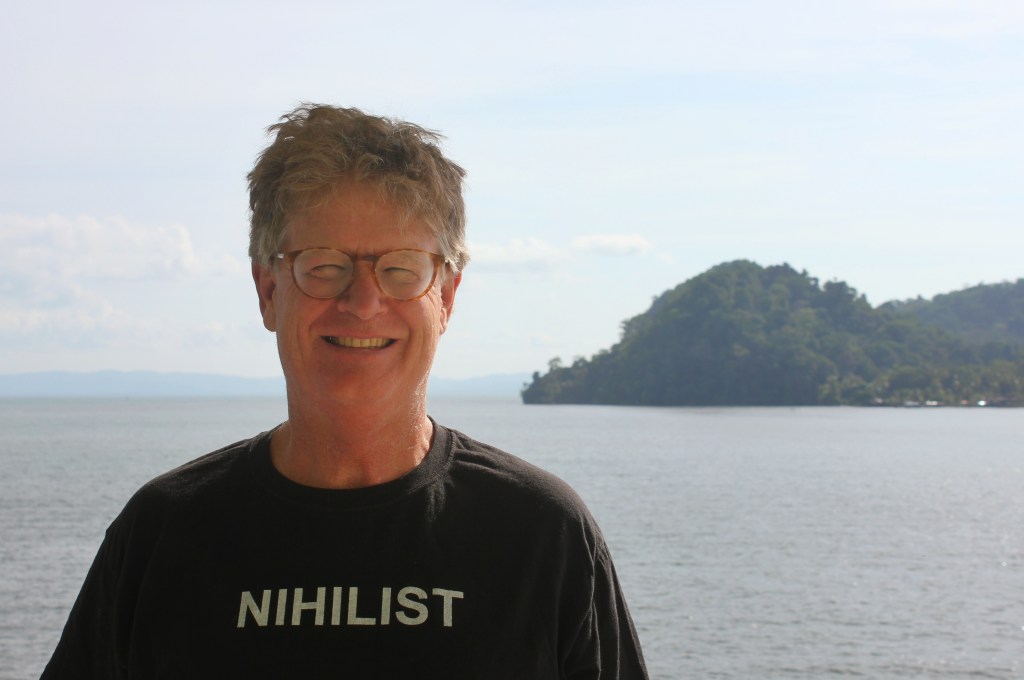
Prof. Dennis Geist, Scientist
Friends of the Charles Darwin Foundation, USA
Dennis Geist is a former professor of Volcanology at the University of Idaho and was a Program Director for the U.S. National Science Foundation. He has been conducting field research in the Galápagos since 1982, in an attempt to understand the origins of magmas, eruptive processes, and the geologic controls on biodiversity.
He is former Chair of his department and served on the editorial boards of Geology and the Journal of Petrology.Dennis is the president of the Friends of the Charles Darwin Foundation for the Galápagos Islands (FCDF), a U.S. 501c(3) non-profit organization dedicated to supporting the efforts of the Charles Darwin Foundation.
James Kershaw, Scientist
University of Bristol, UK
I am a PhD student at the University of Bristol, UK, where I study how deep-sea corals build their skeletons, and how we can use them to reconstruct past changes in earth’s climate and ocean. My current research focuses on stylasterid corals, an abundant but poorly studied group of hydrozoan coral which form an important component of deep marine ecosystems, both in the Galápagos and worldwide. Using a range of geochemical measurements, I study how corals build their skeletons, their resilience to ocean acidification and their use as archives of past oceanic conditions.
I enjoy applying research to policy, and recently contributed to a briefing for the UK’s Climate Change Committee, outlining the significance of Blue Carbon habitats for the UK’s climate goals.
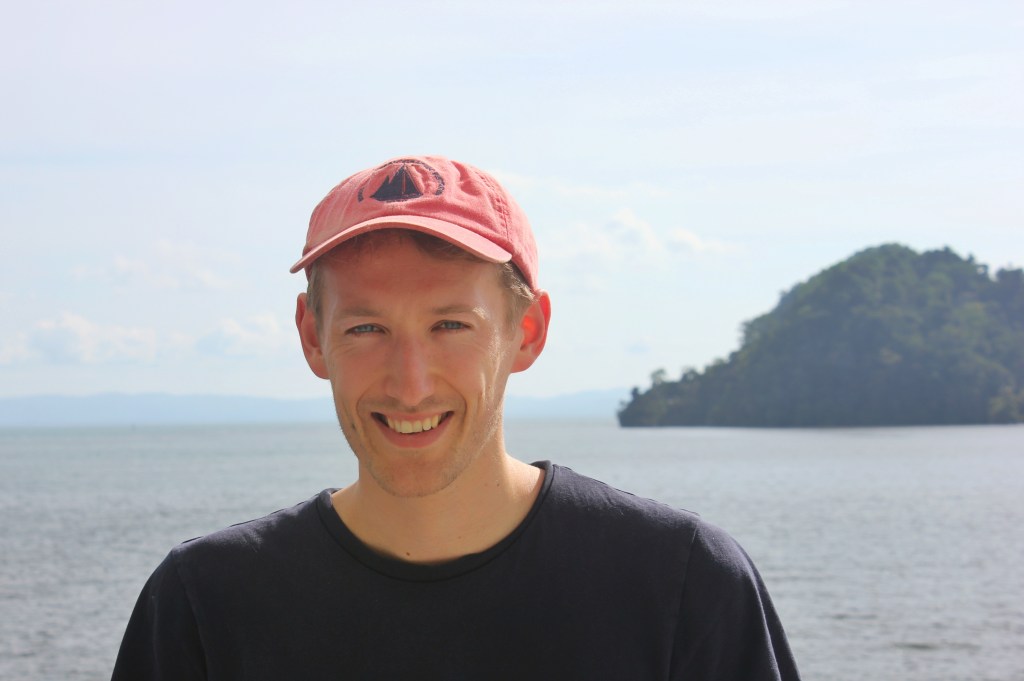

Janine Andrys, Scientist
University of Rhode Island, USA
I am an igneous petrologist and high-temperature geochemist. I am currently finishing my PhD in Marine Geology at the University of Rhode Island-Graduate School of Oceanography and will be starting in a postdoctoral position at Boise State University in Fall 2023. My research revolves around using the mineral assemblages and major, trace, and volatile element compositions of basaltic rocks to interpret the magma’s history before eruption. I am interested in geochemical cycling between Earth’s surface and the mantle over geologic time, magma evolution as it cools and crystallizes in the crust at different thermodynamic conditions, and the chemistries of primary melts of the mantle at various settings on Earth.
Dr. Jessica Gordon, Scientist
University of Essex, UK (she/her)
My work has mainly focused on the use of DNA to study deep-sea coral population connectivity across great geographical distance and depth ranges. I also use seascape genomics to investigate how environmental factors such as depth, temperature, oxygenation, salinity and nutrient availability drive connectivity of coral populations. Onboard the R/V Atlantis, I will be co-team lead of biological collections with Dr. Michelle Taylor. We will organize the collection, and preservation of corals for future genomics and taxonomy projects. I will be leading the extraction of DNA from flash frozen samples while at sea in order to provide the highest quality DNA available for collected specimens. These DNA extractions will be used for whole genome sequencing. This is my second deep-sea expedition; however, it will be my first time using a submersible, and I am very excited to take my first dive!
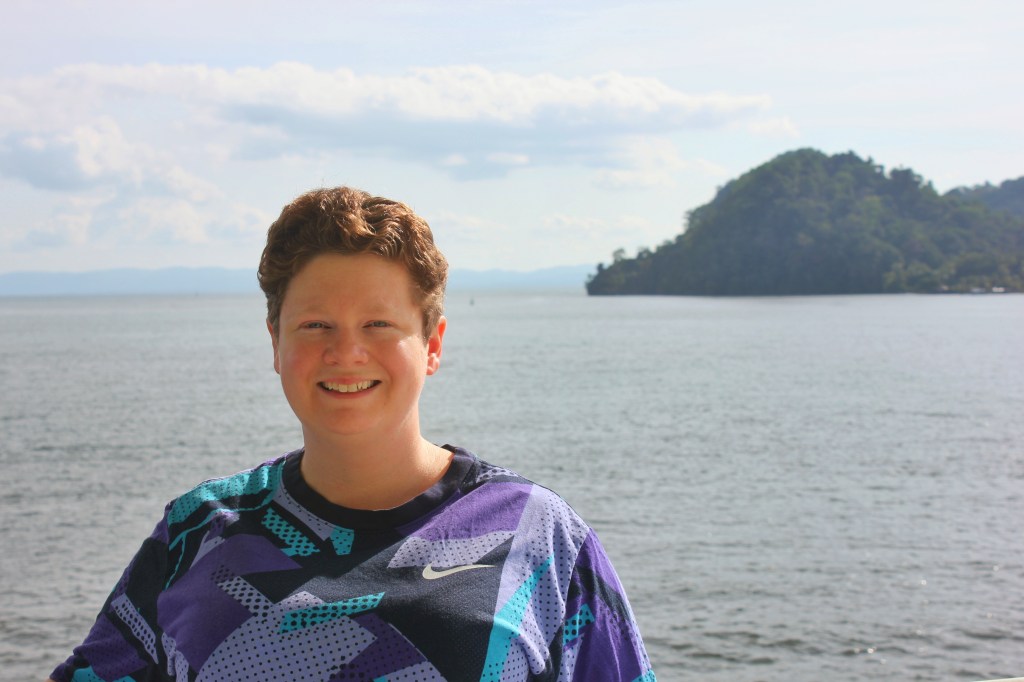
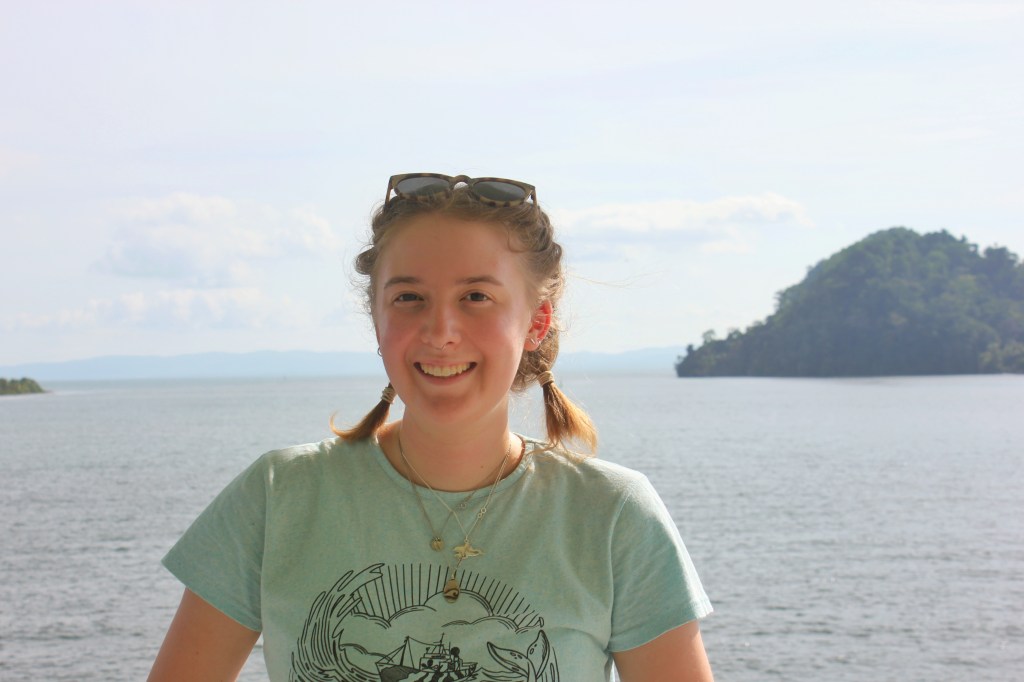
Lydia Crampton, Scientist
Bangor University, UK
I am an undergraduate student from Bangor university, studying Marine Biology. I have a strong interest in Marine Protected areas and how policy plays a role in the conservation of these sites. At the present, I am working on my dissertation: current threats to the Galápagos Marine Reserve and how they are being combated. Looking at how policy and climate change since the creation of the GMR, has had an impact on indicator species.
Maoyu Wang, Scientist
University of Bristol, UK
I am a PhD candidate in Nanjing University and now visiting the University of Bristol for one and a half years. My research focuses on the geochemical behavior of marine carbonate (e.g. cold-seep carbonate and deep-sea coral). I use geochemical analytical methods, including in-suit and solution U-series dating, trace elements, δ13C, δ18O and δ11B, to reveal the formation mechanism of methane derived authigenic carbonate and the diagenesis effect on deep-sea coral.
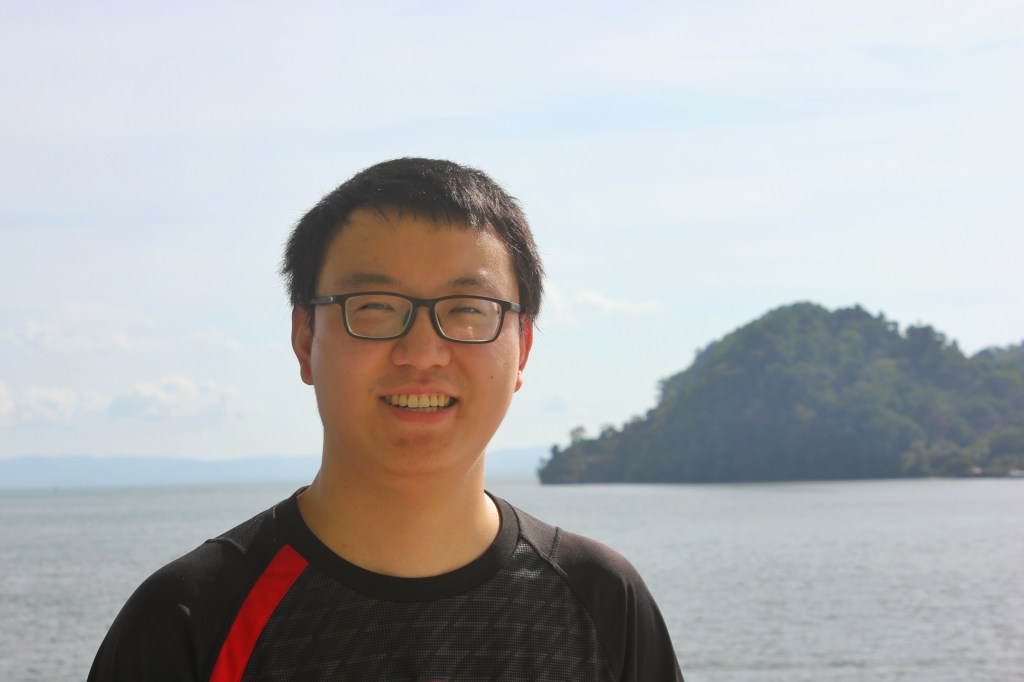

Dr. Malu de Carvalho Ferreira, Scientist
University of Chicago, USA
I am currently a postdoctoral scientist who joined the University of Chicago in 2023. I have a broad interest in oceanography, paleoclimate and geochemistry, but mostly I am interested in the links between the ocean and the climate. During my master studies in oceanography (at FURG, Brazil), I investigated the modern distribution of deep-water masses in the Atlantic Ocean.
More recently, I did my PhD in Bristol (UK) focusing on investigating the oceanic variability during the last glacial and deglacial interval. For this purpose, I applied geochemical proxies to cold-water corals to reconstruct the seawater signatures. The results of this study indicate that the intermediate ocean has maintained a close link with the atmosphere, and that it responds promptly to perturbations in the oceanic circulation.
Dr. Qian Liu, Scientist
University of Bristol, UK
I’m currently a postdoctoral researcher at Bristol. My PhD was mainly about using deep-sea coral skeleton to reconstruct ocean variability, like temperature, pH and circulation patterns during the past 1000 years. Specifically, I analyzed 14C, 15N, Li/Mg ratio and boron isotopes in the skeleton of long-lived branching corals, like bamboo corals and some stony corals for the reconstruction. During my PhD, I also did some deep-sea coral conservation policy work, which built my interests on deep-sea coral biology and conservation.
With my postdoc research, I have a broad interest in palaeoceanography, geochemistry, and coral biology. Part of my postdoc is writing a review about deep-sea coral conservation and restoration with a range of deep-sea coral biologists.
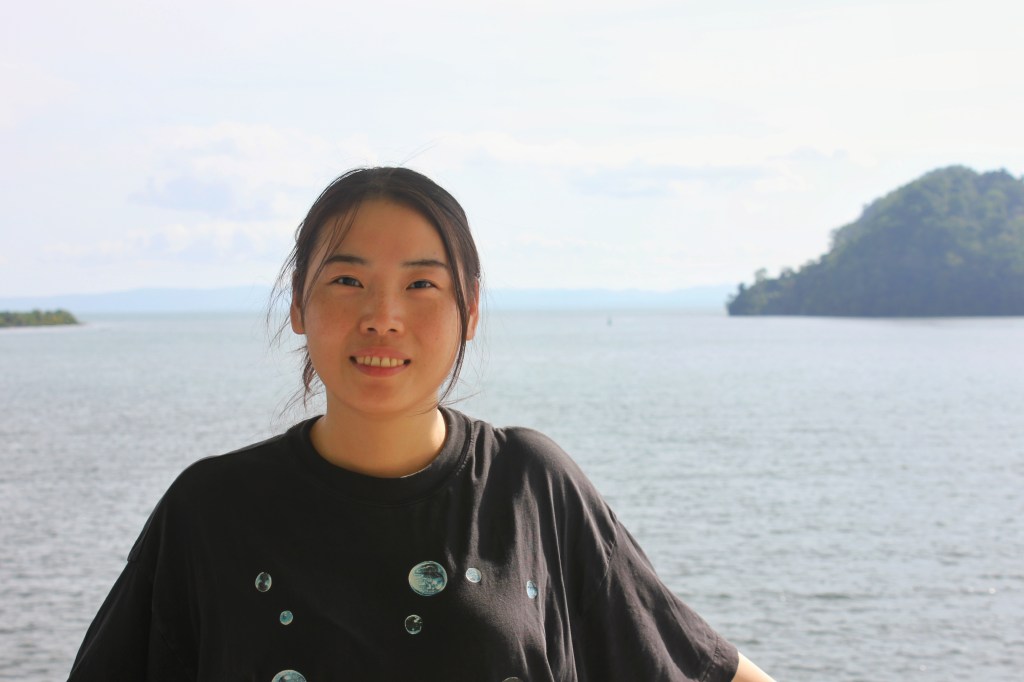
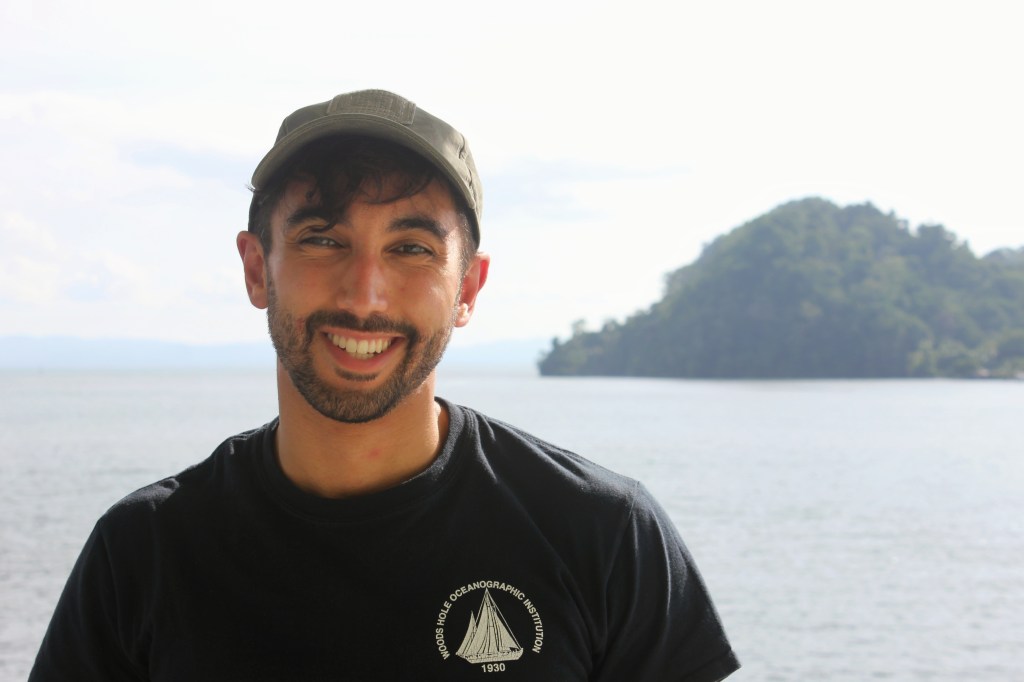
Dr. Samuel J. Mitchell, Scientist
University of Bristol, UK (he/him)
I am a volcanologist and earth and ocean science communicator currently based in the United Kingdom, as a Research Associate at the University of Bristol. I have a range of interests across volcanology, marine geology, and oceanography, but my main research focuses on volcanic eruptions in our oceans. My research has taken me across the world conducting field research on volcanoes on land and on the seafloor using oceanographic research vessels.
Beyond academic interests, I am an active science communicator across various social media platforms, and a podcast host. These outreach efforts aim to provide more accessible, inclusive, and equitable opportunities in earth and ocean science for early career researchers across the world, and to improve public knowledge about geohazards and risk.
Salome Buglass, Scientist
Charles Darwin Foundation / University of BC, Canada
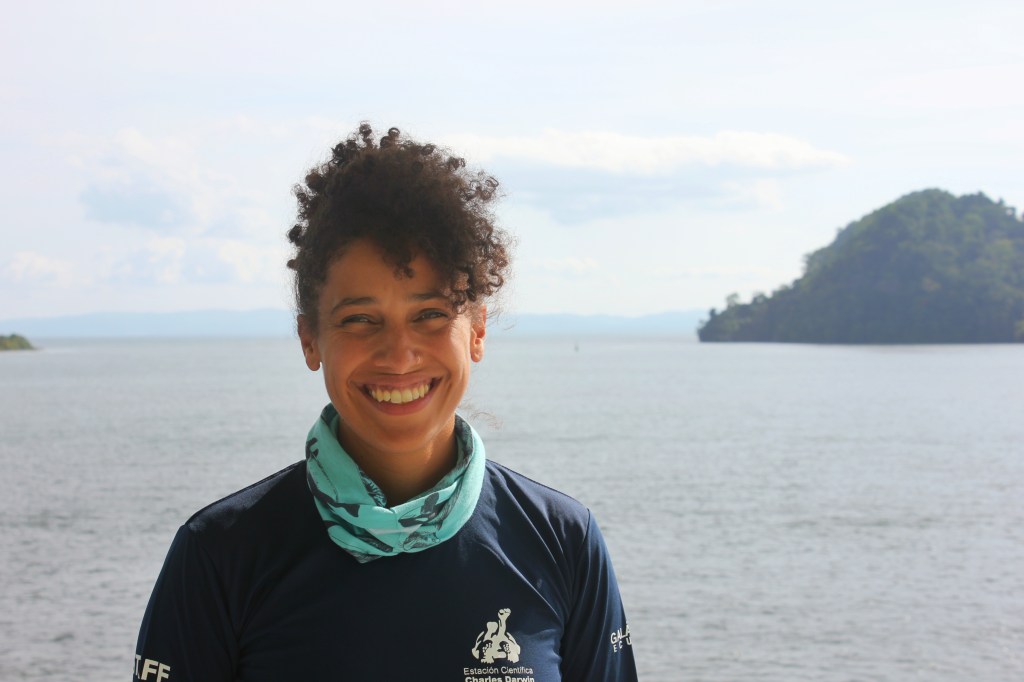
Salome researches the distribution of benthic communities, such deep-water coral and kelp forests associated with seamount (underwater mountain) and other deep-sea habitats in the Galápagos Marine Reserve. Though she perused Geography degrees both for her BSc and MSc, all her research somehow always ended up being on aquatic and marine ecosystem, which is how she ended up working as a marine ecologist in the Galapagos since 2016.
Having lived in small island communities before, Salome felt at home in Galápagos, and in love with its marine environments, which resulted in her dedicating herself to researching the its ocean creatures and habitats, especially those found in deeper waters as so little is known about life in these darker and remote spaces. As an Afro-Caribbean Latinx woman, she hopes to serve as a role model to the youth of today, who rarely see young Black female scientists heading exploratory research on the oceans’ last frontier.
Shannon Hoy, Scientist
NOAA, USA
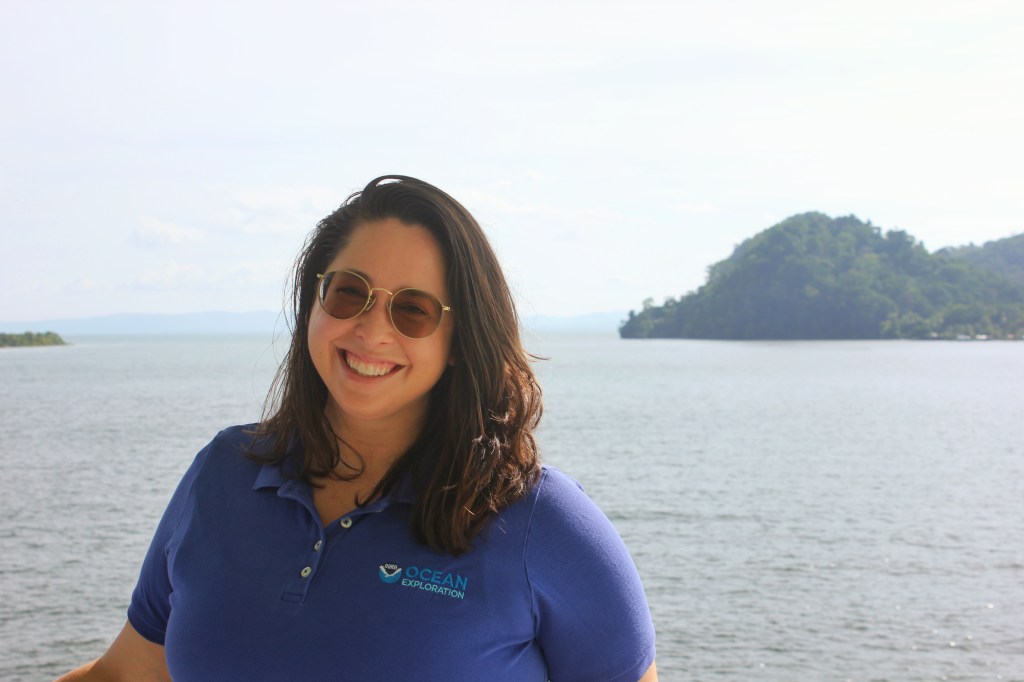
Shannon is the Expedition Coordinator Team Lead with NOAA Ocean Exploration. She leads field expeditions aboard NOAA Ship Okeanos Explorer using a variety of tools such as multibeam sonars and remotely operated vehicles (ROVs) to map and explore remote and/or poorly understood areas of our ocean. When not in the field, she focuses on improving NOAA Ocean Exploration operational efficiency and effectiveness. She received a Masters in Earth Sciences Ocean Mapping from University of New Hampshire.
Yingchu Shen, Scientist
University of Bristol, UK
I am a 3rd-year PhD student at the University of Bristol interested in cold-water coral geochemistry, and paleoceanography and paleoclimate. I studied carbonate reservoir sedimentology during my master’s, and driven by the interest in exploring ocean and climate sciences, I am now using comprehensive coral trace elemental and isotopic approaches to reconstruct seawater properties, and unravel water mass evolution and ocean circulation variability over the last millennium. The study locations of my current research are high-latitude subpolar regions, and since this will be my first at-sea experience, I am very happy to have this unique opportunity of broadening horizons in the equatorial Pacific.
I am currently involved in the university Widening Participation team, and have co-designed and delivered several outreach sessions to UK year-12 students from divergent backgrounds.
Yun-Ju (Lorena) Sun, Scientist
University of Bristol, UK
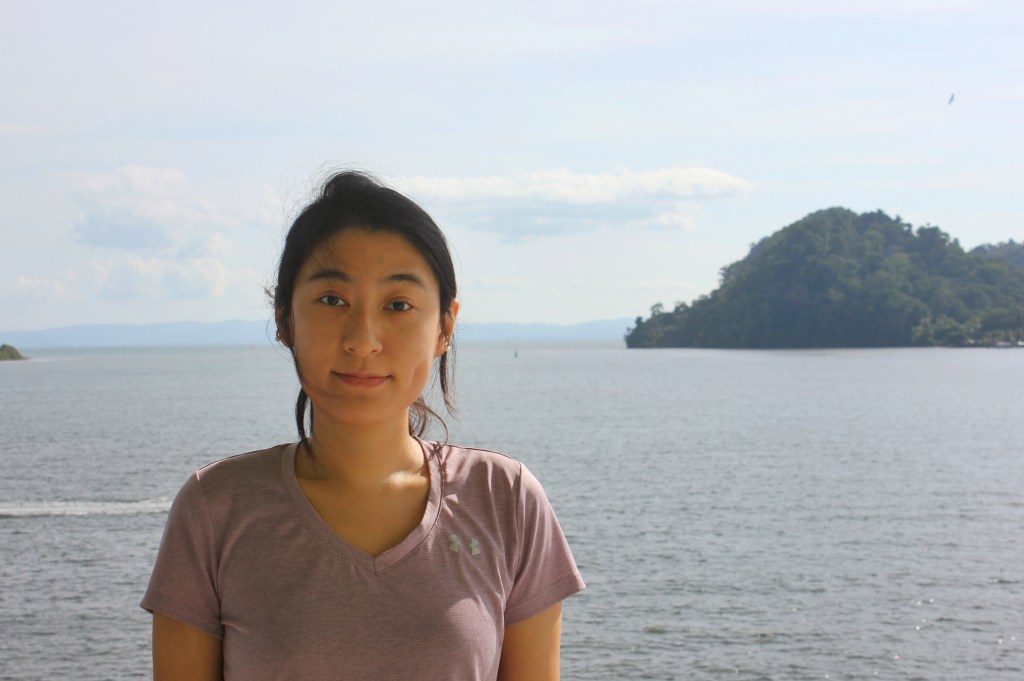
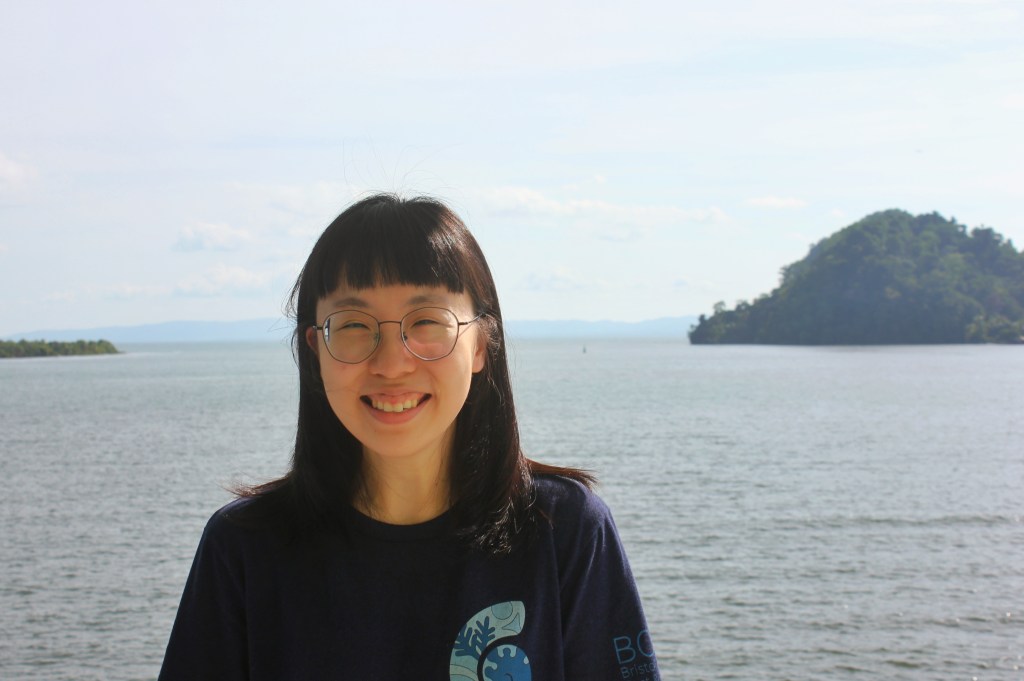
I am a PhD student at the University of Bristol interested in paleoceanography and paleoclimate using deep-sea coral geochemistry. My current research forces on (1) developing a redox proxy (iodine to calcium) for deep-sea corals to reconstruct the deep ocean deoxygenations, and (2) understanding north Atlantic Ocean circulation during the last millennium. I am originally from Taiwan and studied for my degree in earth science. And now, I am very excited to return for corals in the Pacific!
The science team is all assembled and ready to go achieve our goals!

 Galápagos Deep 2023 Expedition