
“We cannot wait to support efforts to characterise the opulent ecosystems found in Galápagos deep waters using the deep water submersible Alvin.”
Tomes have been written about the biology of Galápagos. It is globally renowned for its unique and exotic terrestrial wildlife. Considering marine life, you may conjure up images of sealions and saltwater iguanas. Some keener divers may even mention the rarer patches of coral reefs that can be found. Venturing deeper still, into the colder, darker waters of Galápagos, remains a rare treat. And one that is rewarded with views of deep-water corals, gardens of gorgonians, and a plethora of often undescribed species that are new to science.
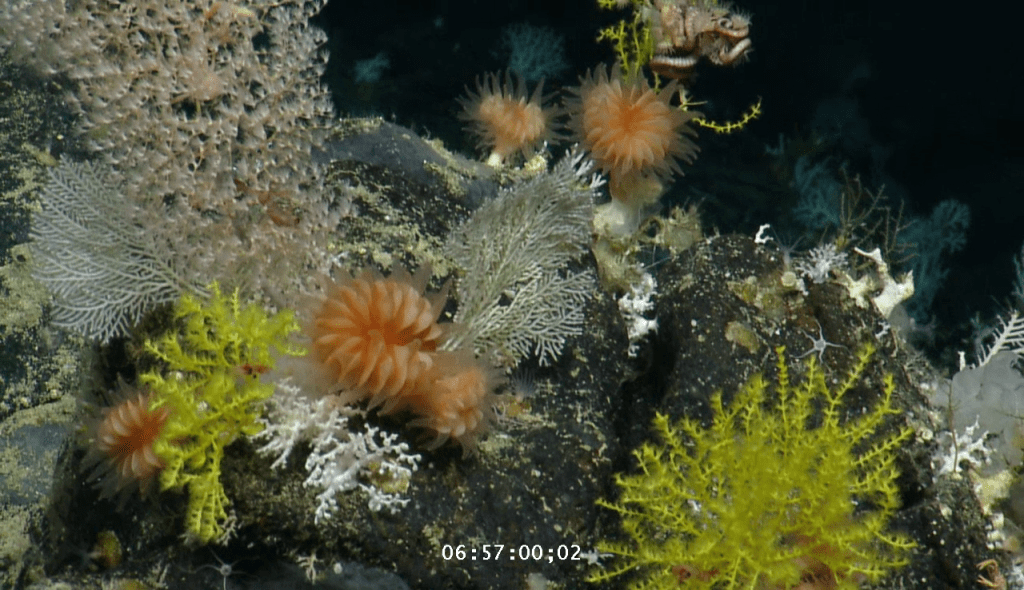
Although the history of delving into Galápagos deepwater biology started many decades ago, our Galápagos Deep 2023 expedition is one of the first opportunities to gather visual data complemented by collected specimens from numerous locations around the Galápagos Platform. Both video surveys and specimens will be used to investigate the biodiversity and species richness of the deep waters (500-2500m deep) to the north and west of the platform.
These biological surveys and collections will not just inform us of different Galápagos deep sea communities but they will also help to place them within the wider geographic picture – are communities here more similar to those found to the south, where the Humbodlt current approaches; or are the complements of animals more similar to the Central Pacific where the South Equatorial Current dips in and touches these islands before being pushed back into the Pacific?
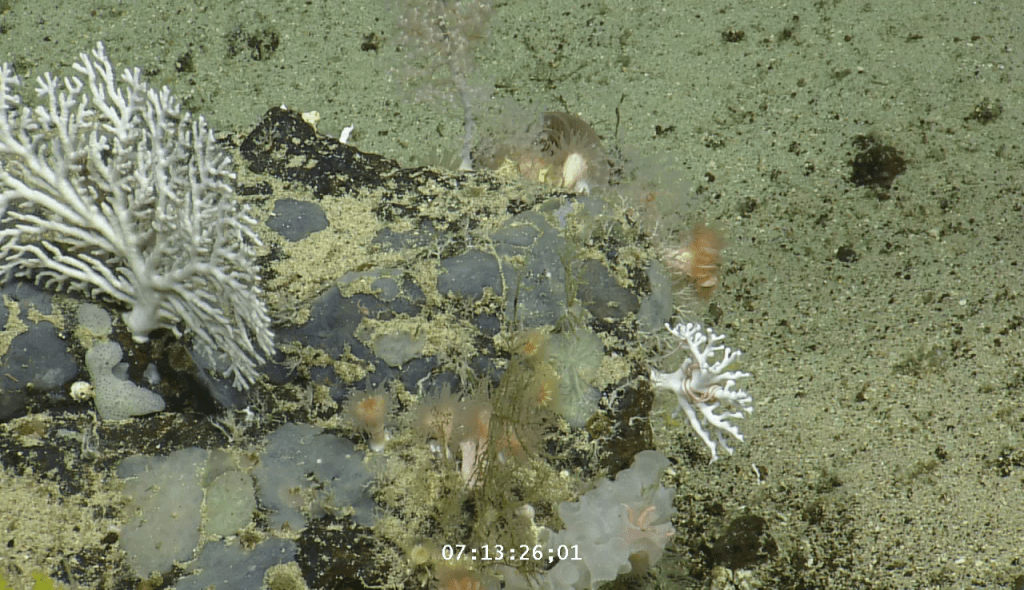
The specimens themselves will form part of a burgeoning deep-sea collection at the Charles Darwin Foundation station. There are plans to undertake genome sequencing of some corals to support evolutionary studies of how these species arrived in these waters. Genetics will also be used for identification, to tease apart species that are hard to physically identify. The rare collection of excellent images, well-preserved specimens and genomics means these specimens will have a scientific life for decades to come.
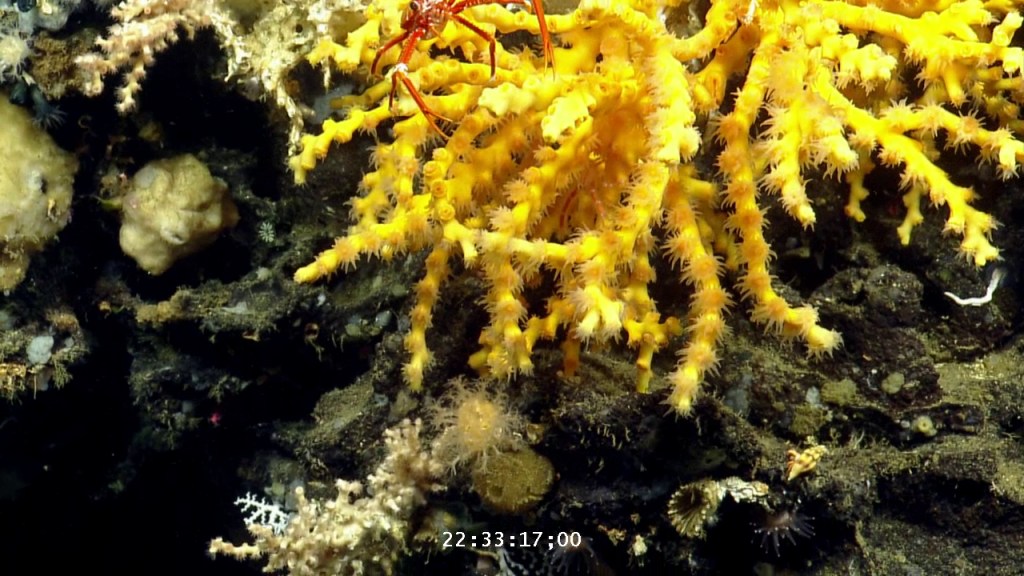
 Galápagos Deep 2023 Expedition
Leave a comment